What to Look for in a High-Protein Snack: A Buyer’s Guide to Smarter Choices
By HighKey's | Published: 2026-06-21
Category: Product Reviews
Learn how to choose the best high-protein snacks with our expert buyer’s guide. Discover key nutrition tips, ingredient red flags, and top picks like protein mini cookies and soft baked treats.
Protein is having a major moment in the snack aisle. Whether you’re fueling a post-workout recovery, taming midday hunger, or packing a lunchbox that actually keeps kids full until dinner, the right high-protein snack can make all the difference. But not all protein-packed options are created equal. Some are loaded with sugar, artificial ingredients, or empty calories that sabotage your health goals. That’s why we created this buyer’s guide: to help you cut through the noise and find snacks that deliver real nutritional value—without sacrificing taste.
Why High-Protein Snacks Matter
Protein is essential for muscle repair, satiety, and steady energy levels. When you choose a snack rich in protein, you’re more likely to feel full longer, avoid blood sugar crashes, and support your body’s daily functions. The key is to look for snacks that offer a meaningful amount of protein—ideally 5 grams or more per serving—while keeping added sugars and processed ingredients low.
What to Look For: The 5 Essential Criteria
1. Protein Content Per Serving
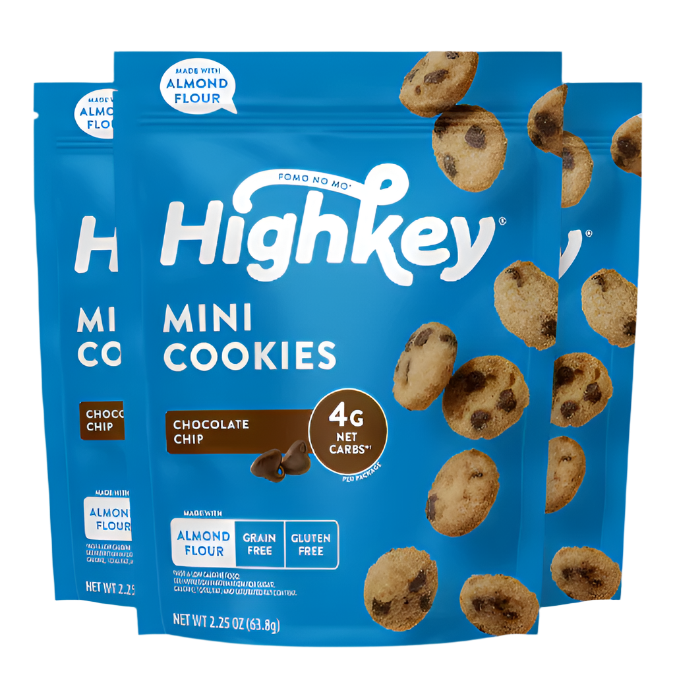
First, check the label. A true high-protein snack should provide at least 5–10 grams of protein per serving. For example, the Protein Mini-Cookies: Chocolate Chip (6 Pack - 3.5 oz bags) pack a solid protein punch in a convenient, portable format. Compare that to standard cookies that offer almost no protein—these mini cookies are a smart swap for anyone tracking macros.
2. Quality of Ingredients
Not all protein is created equal. Look for snacks made with almond flour, oats, or other whole-food bases rather than refined white flour. Also, avoid artificial sweeteners, hydrogenated oils, and high-fructose corn syrup. Brands that prioritize clean ingredients—like those using almond flour and real cheese for crackers—tend to offer better nutritional profiles.
3. Sugar and Fiber Balance
A high-protein snack shouldn’t be a sugar bomb. Aim for less than 5 grams of added sugar per serving. Fiber is your friend too: it slows digestion and enhances fullness. When evaluating options, check that the snack includes at least 2–3 grams of fiber to complement the protein. The Mini Cookies: Lemon (3 Pack - 2 oz bags) are a great example—they deliver satisfying flavor with a balanced macronutrient profile.
4. Portability and Shelf Life
Life is busy. Your high-protein snack should be ready to grab on the go. Individually wrapped portions make it easy to toss into a gym bag, desk drawer, or backpack. Look for snacks that stay fresh without refrigeration, so you can keep a stash prepared at all times.
5. Taste and Texture
Let’s be honest: if a snack doesn’t taste good, you won’t eat it. The best high-protein snacks are those that satisfy your cravings—whether you’re in the mood for something crunchy, chewy, or sweet. Soft-baked treats, for instance, offer a tender, indulgent texture that feels like a dessert but fuels your body like a smart snack.
Comparing Popular High-Protein Snack Categories
| Category | Typical Protein (per serving) | Best For | Example Product |
|---|---|---|---|
| Protein Mini Cookies | 7–10 g | Post-workout, sweet cravings | Protein Mini-Cookies: Chocolate Chip (6 Pack - 3.5 oz bags) |
| Almond Flour Crackers | 3–5 g | Savoury snacking, lunchboxes | Almond Flour Crackers: Cheddar (6 Pack - 2 oz Bags) |
| Soft Baked Mini Treats | 5–8 g | Dessert replacement, kids | Soft Baked Mini Treats: Birthday Cake (6 Pack - 2 oz bags) |
Red Flags to Avoid When Shopping
- Hidden Sugars: Watch for “evaporated cane juice,” “brown rice syrup,” or “concentrated fruit juice” – these are often just sugar in disguise.
- Low Protein but High Calories: A snack that has 200+ calories but only 2 grams of protein is not a high-protein snack, regardless of marketing claims.
- Overly Processed Ingredients: If you can’t pronounce half the ingredients list, it’s probably not a clean snack.
- Claiming “Protein” Without a Source: Look for actual protein sources like almond flour, whey, pea protein, or chickpea flour on the label.
How to Incorporate High-Protein Snacks Into Your Day
Start by identifying your “snack danger zones”—that 3 p.m. slump, the post-gym window, or the moment you walk in the door after work. Keep a 🏖️ The Snackcation Bundle 🏖️ on hand to sample a variety of protein-rich snacks without committing to a full box of one flavour. It’s a great way to discover what you love while meeting your nutrition goals.
Frequently Asked Questions
Can high-protein snacks help with weight management?
Yes. Protein increases satiety, which can reduce overall calorie intake. Choosing a high-protein snack over a carb-heavy one often prevents overeating later in the day.
Are plant-based protein snacks effective?
Absolutely. Many high-protein snacks use almond flour, pea protein, or other plant-based sources that provide complete or complementary amino acids. They’re an excellent choice for vegetarians and vegans.
How much protein should a snack ideally contain?
For most adults, a snack containing 7–15 grams of protein is ideal for between-meal hunger control. Children may need less (5–10 grams), depending on age and activity level.
Final Thoughts: Your Smart Snacking Strategy
Choosing the right high-protein snack doesn’t have to be complicated. Focus on protein content, clean ingredients, balanced sugar and fiber, portability, and—most importantly—taste. By keeping these criteria in mind, you’ll build a snack stash that supports your health without feeling like a chore.
Ready to upgrade your snack game? Start with a trusted favourite: explore the Protein Mini-Cookies: Chocolate Chip (6 Pack - 3.5 oz bags) and experience how delicious a high-protein snack can truly be.