Almond Flour Crackers vs. Whole Wheat Crackers: A Nutritional Showdown for Health-Conscious Snackers
By HighKey's | Published: 2026-06-21
Category: Product Reviews
Compare almond flour and whole wheat crackers side-by-side—carbs, protein, fat, fiber, and taste. Discover which healthy cracker fits your diet and lifestyle best.
When you reach for a box of crackers, you might assume that whole wheat is the healthier choice. After all, whole grains are a cornerstone of many dietary guidelines. But the world of snackable crackers has expanded dramatically. Today, almond flour crackers are challenging the status quo, offering a nutrient-dense alternative that often outperforms whole wheat on key metrics like protein, carbohydrate load, and blood sugar impact. In this cracker nutrition comparison, we’ll break down the differences between these two contenders, examine their ingredients, and help you decide which one belongs in your pantry.
What Are Whole Wheat Crackers, Really?
Whole wheat crackers are made from flour that includes the entire wheat kernel—the bran, germ, and endosperm. This gives them more fiber and nutrients than crackers made from refined white flour. Many popular brands market themselves as a wholesome, fiber-rich snack. However, the term “whole wheat” can be misleading. Some products contain mostly refined flour with just a sprinkle of whole wheat. Even when 100% whole wheat is used, these crackers still contain significant carbohydrates and can spike blood sugar in some individuals, especially when eaten on their own.
The Rise of Almond Flour Crackers
Almond flour is made by grinding blanched almonds into a fine powder. It’s naturally gluten-free, low in carbohydrates, and high in healthy fats, protein, and fiber. Almond flour crackers have become a favorite among those following keto, paleo, low-carb, or gluten-free lifestyles. They offer a satisfying crunch without the blood sugar roller coaster. But are they always the superior choice? Let’s dig into the numbers and see how they stack up side by side.
Head-to-Head Nutrition Comparison
To make this comparison fair, we’re looking at a standard serving of each type of cracker (about 30 grams, or roughly 10–12 crackers). The values are averages, but they give you a realistic picture of what you’re getting.
| Nutrient (per 30g serving) | Almond Flour Crackers | Whole Wheat Crackers |
|---|---|---|
| Calories | 150–170 | 130–150 |
| Total Fat | 10–13 g | 3–5 g |
| Saturated Fat | 1–2 g | 0.5–1 g |
| Carbohydrates | 6–9 g | 20–25 g |
| Fiber | 3–4 g | 2–4 g |
| Protein | 5–7 g | 3–4 g |
| Sugar | 1–2 g | 1–3 g |
| Sodium | 150–250 mg | 200–350 mg |
As the table shows, almond flour crackers contain significantly fewer carbohydrates and more fat and protein. That protein and fat combination helps keep you full longer and stabilizes blood sugar. Whole wheat crackers, while often lower in calories, are carbohydrate-dense and can leave you hungry again within an hour.
Which Cracker Is Better for Blood Sugar Control?
If you have diabetes, prediabetes, or simply want to avoid energy crashes, almond flour crackers are the clear winner. Their low net carb count (total carbs minus fiber) means they have a minimal impact on blood glucose. Whole wheat crackers, despite their fiber, still contain enough carbs to cause a moderate spike, especially if paired with a sugary dip or eaten alone. For a satisfying snack that keeps your energy steady, reach for a handful of Almond Flour Crackers: Cheddar (6 Pack - 2 oz Bags) and pair them with cheese or avocado.
Taste and Texture: Crunch vs. Heartiness
Texture matters. Whole wheat crackers tend to be heartier, with a dense, wheaty crunch. They absorb dips and spreads well. Almond flour crackers, on the other hand, are often lighter and crispier, with a subtle nutty flavor. Some brands add cheese or spices for extra depth. If you’re craving a savory, cheesy snack, the Almond Flour Crackers: Sea Salt (6 pack - 2 oz bags) offer a clean, crunchy base that works beautifully with hummus, tuna salad, or just on its own.
Dietary Compatibility: Gluten, Keto, and More
One of the biggest advantages of almond flour crackers is their gluten-free nature. Whole wheat crackers are off-limits for anyone with celiac disease or gluten sensitivity. Additionally, almond flour crackers fit seamlessly into keto, low-carb, paleo, and diabetic-friendly meal plans. Whole wheat crackers, while often considered “healthy,” are not compatible with these restrictive diets. If you’re following a ketogenic lifestyle, the low carb count of almond flour crackers makes them an ideal vehicle for cheese dips or nut butters.
Are There Any Downsides to Almond Flour Crackers?
No food is perfect for everyone. Almond flour crackers are higher in calories and fat, which may be a concern if you’re strictly counting calories for weight loss. However, the fat is mostly heart-healthy monounsaturated fat. Also, some people find almond flour crackers more expensive than their wheat-based counterparts. That’s why buying in bulk—like a multi-pack—can save money and ensure you always have a nutritious snack on hand. For a balanced approach, consider alternating between the two types depending on your meal context.
How to Choose: A Quick Decision Guide
- Choose almond flour crackers if: You’re gluten-free, keto, low-carb, or want better blood sugar control. They also work great for post-workout snacks because of their protein content.
- Choose whole wheat crackers if: You have no gluten issues, you’re looking for a lower-calorie option, or you want a heartier cracker for dips and spreads.
- Choose both: Many people keep both in their pantry. Use whole wheat crackers for lunch sandwiches or soup, and almond flour crackers for high-protein, low-carb snacks.
Beyond Crackers: Pairing with Other Snacks
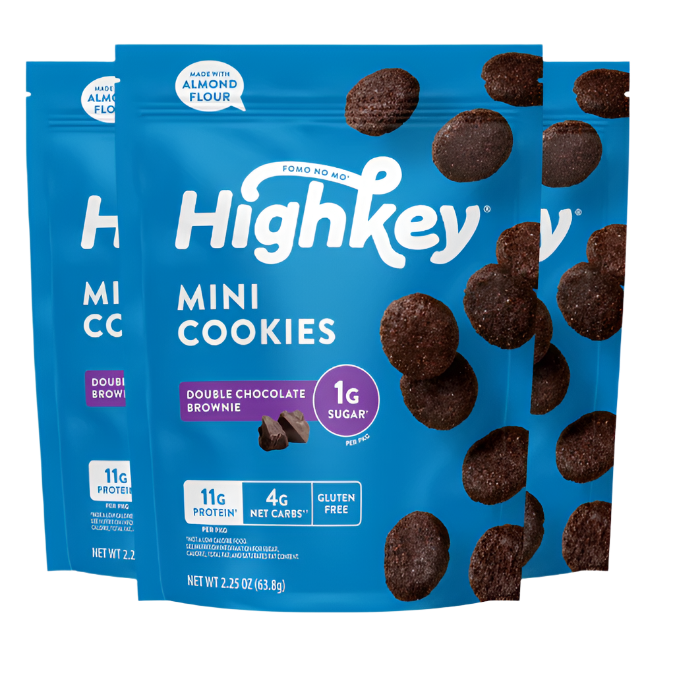
For a complete snack board, combine your favorite crackers with cheese, nuts, and even mini cookies for a sweet-salty contrast. Our cracker nutrition comparison shows that almond flour crackers offer better satiety, but pairing them with a small, sweet treat can turn an ordinary snack into a memorable experience. For instance, after enjoying some savory Almond Flour Crackers: Cheddar (6 Pack - 2 oz Bags), satisfy your sweet tooth with a few Mini Cookies: Double Chocolate Brownie (3 Pack - 2.25 oz bags)—a perfect ending to a balanced snack plate.
Final Verdict: Which Cracker Wins?
If you’re comparing almond flour crackers vs. whole wheat crackers strictly on nutritional density, almond flour crackers come out ahead in protein, fat quality, and carb control. Whole wheat crackers still have a place in a balanced diet—especially if you’re active and need quick energy—but for most modern snackers looking to reduce sugar cravings and stay full, almond flour is the smarter choice.
Ready to upgrade your snack game? Explore our selection of healthy cracker options and find your new favorite crunch. Try a box of Almond Flour Crackers: Cheddar (6 Pack - 2 oz Bags) today and taste the difference that real, nutrient-dense ingredients can make.