How to Read Snack Labels: A Beginner's Guide to Ingredients and Nutrition
By HighKey's | Published: 2026-06-21
Category: How-to Guides
Learn how to decode nutrition facts panels and ingredient lists to make healthier, smarter snack choices. This beginner-friendly guide covers key terms, serving sizes, and what to look for in snacks like mini cookies and crackers.
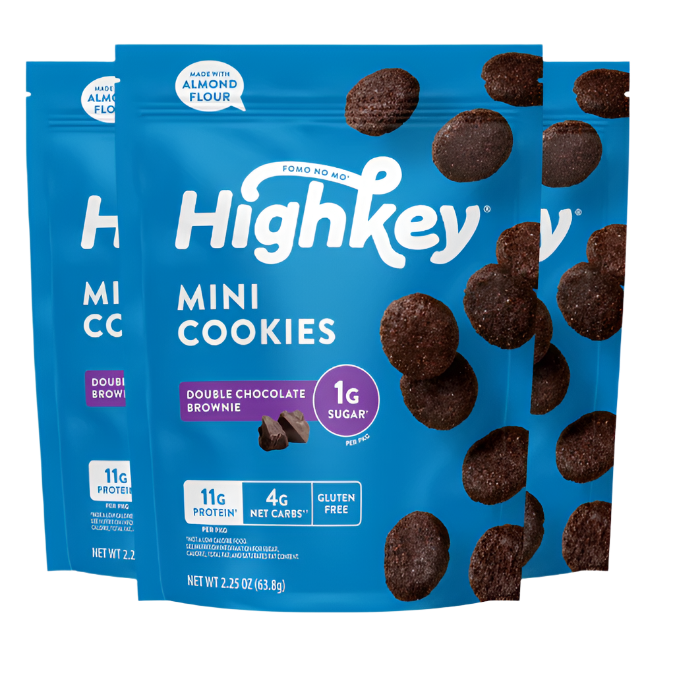
Walking through the snack aisle can feel overwhelming. Bright packaging, bold claims like "natural" or "low-fat," and endless flavor options compete for your attention. But the most important information isn't on the front of the box—it's on the back. Learning how to read snack labels is a skill that empowers you to make informed, healthy snack choices for yourself and your family. Whether you're shopping for portion-controlled treats like Mini Cookies: Double Chocolate Brownie (3 Pack - 2.25 oz bags) or savory options like Almond Flour Crackers: Sea Salt (6 pack - 2 oz bags), this guide will walk you through everything you need to know.
Why Learning to Read Snack Labels Matters
A snack label is more than a list of numbers—it’s a story about what’s inside the package. By understanding that story, you can:
- Avoid hidden sugars, unhealthy fats, and excessive sodium.
- Identify real, whole ingredients.
- Find snacks that align with your dietary goals (low-carb, high-protein, gluten-free, etc.).
- Make better decisions for kids' lunchboxes or your own workday stash.
Let’s start with the most visible part of the label: the Nutrition Facts panel.
Step 1: Start with Serving Size
The serving size is the foundation of the entire label. All the numbers below—calories, fat, sugar, and more—are based on that single serving. If you eat twice the serving size, you double every value. Many snack packs, like the 2 oz bags found in HighKey’s mini treats, are designed to be single-serve, making portion control effortless. For example, a 2 oz bag of Mini Cookies: Lemon (3 Pack - 2 oz bags) gives you a clear, pre-measured portion, so you don’t have to guess.
Pro tip: Always check how many servings are in the entire package. A bag that looks small may actually contain two or more servings.
Step 2: Calories—But Don't Obsess
Calories are a measure of energy. While it's helpful to know how many calories are in a snack, the quality of those calories matters much more. 200 calories from refined sugar will affect your body differently than 200 calories from a mix of protein, fiber, and healthy fats. Use calories as a general guide, but don't make them the sole deciding factor.
Step 3: Focus on Nutrients to Limit
The Nutrition Facts panel lists certain nutrients you typically want to limit for overall health. These include:
- Saturated fat – Aim for less than 10% of daily calories.
- Sodium – Keep it under 2,300 mg per day; for snacks, look for 140 mg or less per serving as a "low sodium" benchmark.
- Added sugars – This is a key number. The American Heart Association recommends no more than 25 g per day for women and 36 g for men. Compare snacks like sweet mini cookies vs. savory crackers to see where added sugars hide.
Step 4: Look for Nutrients to Get More Of
On the flip side, you want snacks that deliver beneficial nutrients:
- Dietary fiber – Aim for 3 g or more per serving. Fiber aids digestion and keeps you full longer.
- Protein – Especially important if you're using snacks as a mini meal or post-workout fuel. HighKey’s Protein Mini-Cookies: Chocolate Chip (6 Pack - 3.5 oz bags) offer a protein boost without sacrificing taste.
- Vitamins and minerals – Some snacks are fortified with iron, calcium, or vitamin D, which can add nutritional value.
Step 5: Decode the Ingredient List
Ingredients are listed in descending order by weight. That means the first ingredient makes up the largest portion of the product. Here’s what to look for:
- First ingredient should be a real food. Ideally, you want to see things like almond flour, oats, or cocoa—not sugar or refined white flour.
- Watch for hidden sugars. Sugar goes by many names: cane syrup, high-fructose corn syrup, agave nectar, dextrose, maltose, and more. If multiple sugar sources appear early on, the snack is likely high in added sugars.
- Short ingredient lists are often better. A product with five or six recognizable ingredients is usually less processed than one with a long list of chemical-sounding additives.
- Be wary of artificial ingredients. Terms like "partially hydrogenated oils" (trans fat), artificial colors (Red 40, Yellow 5), and artificial preservatives (BHA, BHT) are red flags for many health-conscious shoppers.
Step 6: Understand Nutrient Content Claims
Front-of-package claims can be helpful, but they can also be misleading. Here’s a quick translation:
| Claim | What It Actually Means (per FDA rules) |
|---|---|
| Low fat | 3 g of fat or less per serving |
| Reduced fat | At least 25% less fat than the original version |
| Good source of fiber | 2.5 g to 4.9 g of fiber per serving |
| Excellent source of fiber | 5 g or more of fiber per serving |
| No added sugars | No sugars added during processing (but may still contain natural sugars) |
| Natural | Minimally processed and no artificial ingredients (but not strictly regulated for all products) |
Always double-check these claims by reading the full ingredient list and Nutrition Facts panel.
Step 7: Compare Snacks Side by Side
Once you’re comfortable reading labels, compare similar products. For instance, a sweet snack like mini cookies and a savory option like crackers may have vastly different nutritional profiles. Use the following criteria for a quick comparison:
- Calories per serving – Keep within your snack budget (generally 100–250 calories).
- Fiber and protein – Higher is better for satiety.
- Added sugars – Lower is better, ideally under 5 g per serving.
- Saturated fat – Under 2 g per serving is a good benchmark.
- Sodium – Under 200 mg per serving for a balanced snack.
Putting It All Together: A Real-World Example
Let’s imagine you’re comparing two snack options at HighKey’s. You pick up a bag of Mini Cookies: Double Chocolate Brownie (3 Pack - 2.25 oz bags) and a bag of Almond Flour Crackers: Sea Salt (6 pack - 2 oz bags).
- Mini Cookies: Check serving size (likely 1 bag of the 3-pack). Look at added sugars—chocolate-based snacks may have some, but a good label will keep them reasonable. Check fiber and protein to see if they offer more than just sugar.
- Crackers: Check the total carbohydrate count versus fiber. Almond flour-based crackers tend to be lower in carbs and higher in healthy fats and protein. Also compare sodium levels to ensure they’re not overly salty.
By following the steps above, you can confidently decide which snack fits your needs—whether that’s a sweet treat for a midday craving or a savory crunch for a lunchbox.
Common Label Reading Mistakes to Avoid
- Ignoring serving size. A bag that looks like one portion may contain two or three servings.
- Trusting front-of-package claims blindly. “Made with whole grains” doesn’t mean the product is primarily whole grain.
- Focusing only on calories. A low-calorie snack that’s loaded with sugar and low in fiber won’t keep you full.
- Skipping the ingredient list. This is where the true story of the snack lives.
Final Tips for Healthy Snack Choices
Reading labels gets easier with practice. Start by comparing two or three similar products each time you shop. Over time, you’ll develop a mental checklist that makes label reading second nature. Remember, the goal isn’t perfection—it’s progress. Every informed choice adds up to a healthier diet and a better understanding of what you’re putting into your body.
At HighKey’s, we believe in snacks that are both delicious and transparent. Whether you’re exploring our Mini Cookies, Crackers, or Soft Baked Mini Treats, you’ll find clear labeling and quality ingredients that make healthy snacking simple.
Ready to put your new skills to the test? Browse our selection of wholesome snacks, including the Mini Cookies: Double Chocolate Brownie (3 Pack - 2.25 oz bags), and see for yourself how easy it is to snack smarter. Your next favorite treat is just a click away!